

Trigeminal neuralgia is a nerve condition that causes sudden, sharp facial pain. Many people wonder how MRI trigeminal neuralgia diagnosis works. An MRI scan is often used to help doctors find the cause of this pain. In this blog, you will learn about trigeminal neuralgia, how MRI helps in diagnosis, its symptoms, and treatment options. We will also share some lifestyle tips to help manage this condition.
What is Trigeminal Neuralgia?
Trigeminal neuralgia is a problem with the trigeminal nerve. This nerve sends feelings from your face to your brain. When it is affected, you may feel sudden, severe pain on one side of your face. Sometimes, even light touch or brushing your teeth can trigger the pain. Although it is rare, trigeminal neuralgia can greatly affect daily life. According to the World Health Organization (WHO), it is more common in people over 50 years old.
Role of MRI in Diagnosing Trigeminal Neuralgia
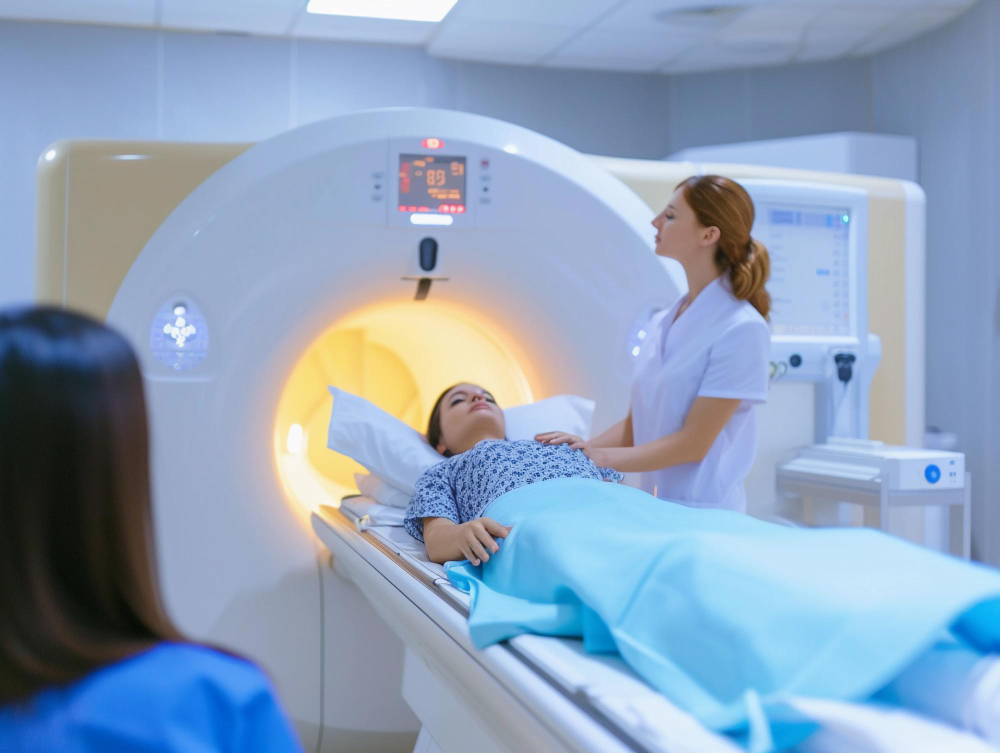
Doctors often use MRI for trigeminal neuralgia diagnosis. MRI stands for Magnetic Resonance Imaging. It is a safe and painless test that uses strong magnets and radio waves to take pictures inside your head. With an MRI trigeminal neuralgia scan, doctors can see if a blood vessel is pressing on the nerve or if there are other causes, such as a tumor. This helps them choose the best treatment for you. In many cities, radiology imaging for facial pain is now a standard part of care.
Symptoms of Trigeminal Neuralgia
Trigeminal neuralgia has some clear signs. However, symptoms can vary from person to person. Common symptoms include:
If you notice these symptoms, you should talk to your doctor. Early diagnosis can help manage the pain better.
How MRI Helps in Diagnosis
Doctors use a trigeminal neuralgia MRI scan to look for the cause of nerve pain. For example, MRI can show if a blood vessel is pressing on the trigeminal nerve. Sometimes, it can also find other problems, like tumors or multiple sclerosis. Because MRI does not use radiation, it is safe for most people. After the scan, the radiologist reviews the images and shares the results with your doctor. This helps your care team plan the right treatment for you.
Treatment Options After MRI Diagnosis
Once MRI trigeminal neuralgia diagnosis is confirmed, doctors can suggest the best treatment. Treatment options may include:
Your doctor will explain the risks and benefits of each option. Together, you can choose the best plan for your needs.
Prevention and Lifestyle Tips
While you cannot always prevent trigeminal neuralgia, some tips may help manage symptoms:
Additionally, regular check-ups can help track your progress and adjust your treatment as needed.
Conclusion
MRI trigeminal neuralgia diagnosis is an important step in finding the cause of facial pain. With the help of MRI scans, doctors can see what is happening inside your head and plan the best treatment. If you have symptoms of trigeminal neuralgia, do not wait. Consult a radiology specialist at KB Healthcare for personalized advice on MRI trigeminal neuralgia.