Introduction
Stroke imaging is a key tool that helps doctors find and treat strokes quickly. When a stroke happens, every minute counts. Early detection through stroke imaging can save brain function and improve recovery. In fact, the faster a stroke is found, the better the chances of a good outcome. This blog explains how stroke imaging works and why it is so important for early stroke detection.
What Is Stroke Imaging?
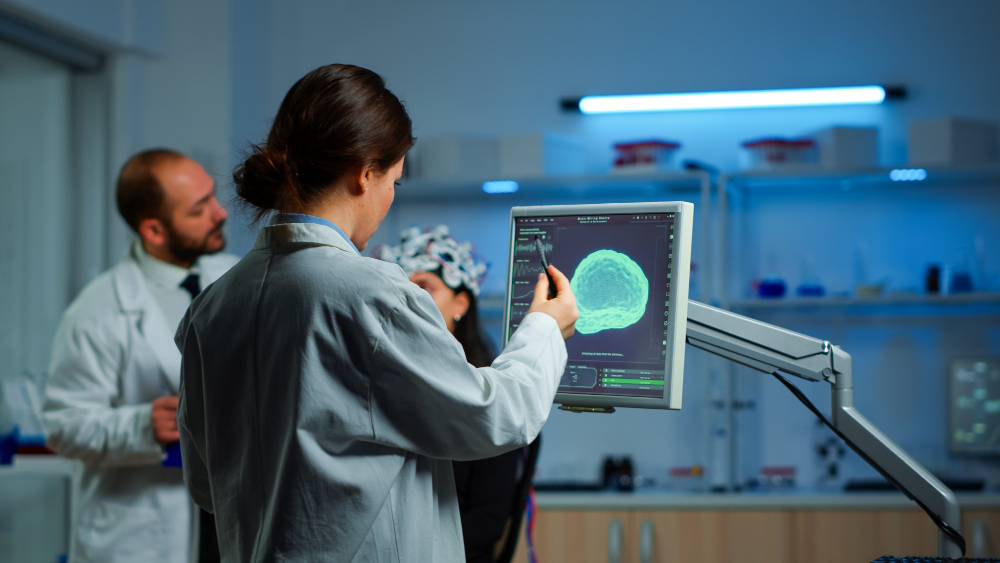
Stroke imaging means using special scans to look at the brain. These scans help doctors see if there is a blockage or bleeding in the brain. For example, a brain scan for stroke can show where the problem is. Doctors use this information to decide the best treatment. Without imaging, it is hard to know what type of stroke has happened.
Why Early Detection Matters
Time is very important during a stroke. The brain loses millions of cells each minute a stroke goes untreated. Therefore, early stroke detection with imaging can limit brain damage. Quick action can also help prevent long-term problems like trouble speaking or moving. According to the CDC, early treatment can save lives and reduce disability.
Common Stroke Imaging Techniques
Doctors use several types of scans to check for stroke. Each one has its own use. Here are the most common stroke imaging techniques:
Doctors choose the best scan based on your symptoms and medical history.
How Imaging Helps Save Brain Function
Stroke imaging shows doctors where the problem is in the brain. Because of this, they can give the right treatment fast. For example, if a scan shows a blocked artery, doctors may use medicine to break up the clot. If there is bleeding, they may need to stop it quickly. Early imaging means less brain damage and a better chance of recovery. The World Health Organization also stresses the value of quick imaging for better outcomes.
Signs and Symptoms That Require Immediate Imaging
Some signs mean you should get a brain scan for stroke right away. If you notice any of these, call emergency services:
Because early stroke detection is so important, do not wait if you see these signs.
What to Expect During Stroke Imaging
When you arrive at the hospital, doctors will act quickly. First, they may ask about your symptoms and medical history. Next, you will be taken for a scan, such as a CT or MRI. These scans are painless and usually take only a few minutes. You may need to lie still during the test. Afterward, doctors will review the images and decide on the best treatment. Most stroke imaging centers near you are ready to help at any time.
Prevention and Lifestyle Tips
While imaging helps treat strokes, prevention is always best. You can lower your risk by making healthy choices. Here are some tips:
Regular check-ups can also help catch problems early. If you have risk factors, talk to your doctor about stroke prevention.
Conclusion
In summary, stroke imaging is a vital tool for early stroke detection. Fast scans like CT and MRI can save brain function and improve recovery. If you notice stroke symptoms, seek immediate medical attention and consult a specialist Shivani Bhargava for personalized guidance.