

Introduction
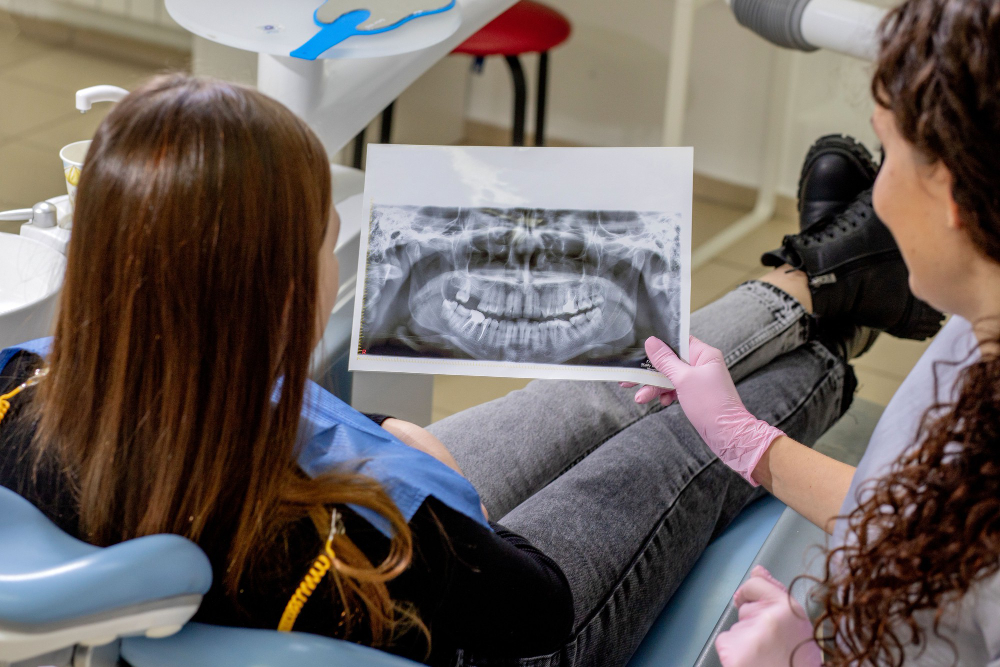
Dental imaging helps dentists see inside your mouth. It shows problems that are hard to spot with the eyes alone. One advanced tool is called CBCT, or Cone Beam Computed Tomography. CBCT dental imaging gives a 3D view of your teeth, jaw, and more. Because it reveals much more than a regular X-ray, understanding CBCT’s broader uses can help you make informed choices about your dental health. For many people, knowing what CBCT can reveal is important for early detection and better treatment.
What is CBCT?
CBCT stands for Cone Beam Computed Tomography. It is a special type of X-ray machine. Unlike regular dental X-rays, CBCT creates 3D images. This means your dentist can see your teeth, jaw, and nearby areas from every angle. While traditional X-rays show flat pictures, CBCT gives a full, three-dimensional view. As a result, dentists can spot problems that might be missed otherwise.
Beyond the Smile: What CBCT Can Reveal
CBCT dental imaging is not just for teeth. It can show many things beyond your smile. For example, it helps dentists check the health of your jaw and other important areas. Here are some key things CBCT can reveal:
Benefits of CBCT in Dental Imaging
CBCT offers many advantages over traditional dental X-rays. For instance, it gives a clear, 3D image of your mouth. This helps dentists plan treatments with more accuracy. Here are some main benefits:
According to the American Dental Association, CBCT is especially useful for complex dental cases.
Safety and Risks
CBCT uses X-rays, so it does involve some radiation. However, the amount is usually low. In fact, CBCT often uses less radiation than a regular CT scan at the hospital. Still, it uses more radiation than a simple dental X-ray. Dentists only recommend CBCT when the benefits outweigh the risks. The World Health Organization and the American Dental Association both say that dental X-rays, including CBCT, are safe when used properly. Always let your dentist know if you are pregnant or have health concerns.
When is CBCT Recommended?
Your dentist may suggest a CBCT scan for several reasons. For example, you might need one if:
If you search for a “CBCT scan near me,” you may find local dental clinics offering this service.
What to Expect During a CBCT Scan
Getting a CBCT scan is quick and easy. Here is what usually happens:
Most people find the process comfortable and painless.
Consulting Your Dentist About CBCT
If your dentist suggests CBCT dental imaging, do not hesitate to ask questions. For instance, you can ask why the scan is needed and what it will show. You may also want to discuss the risks and benefits. Remember, your dentist wants to help you make the best choice for your health. If you are unsure, you can always seek a second opinion.
Consult Shivani Bhargava to understand whether CBCT dental imaging is appropriate for your dental needs and to receive personalized guidance.