
What Is a Carotid Doppler Ultrasound?
A Carotid Doppler Ultrasound is a simple, non-invasive test. It uses sound waves to look at the carotid arteries in your neck. These arteries carry blood from your heart to your brain. If they become narrow or blocked, your risk of stroke goes up. Because this test is safe and painless, doctors often use it for stroke risk assessment. The test is sometimes called an ultrasound for carotid arteries or non-invasive stroke screening.
Why Is It Important for Stroke Risk?
Stroke happens when blood flow to the brain is blocked. Often, this is due to a buildup of plaque in the carotid arteries. As a result, the brain does not get enough oxygen. A Carotid Doppler Ultrasound can spot these blockages early. Early detection helps lower your stroke risk. According to the CDC, stroke is a leading cause of death and disability. Therefore, checking your carotid arteries can help protect your health.
How the Test Works
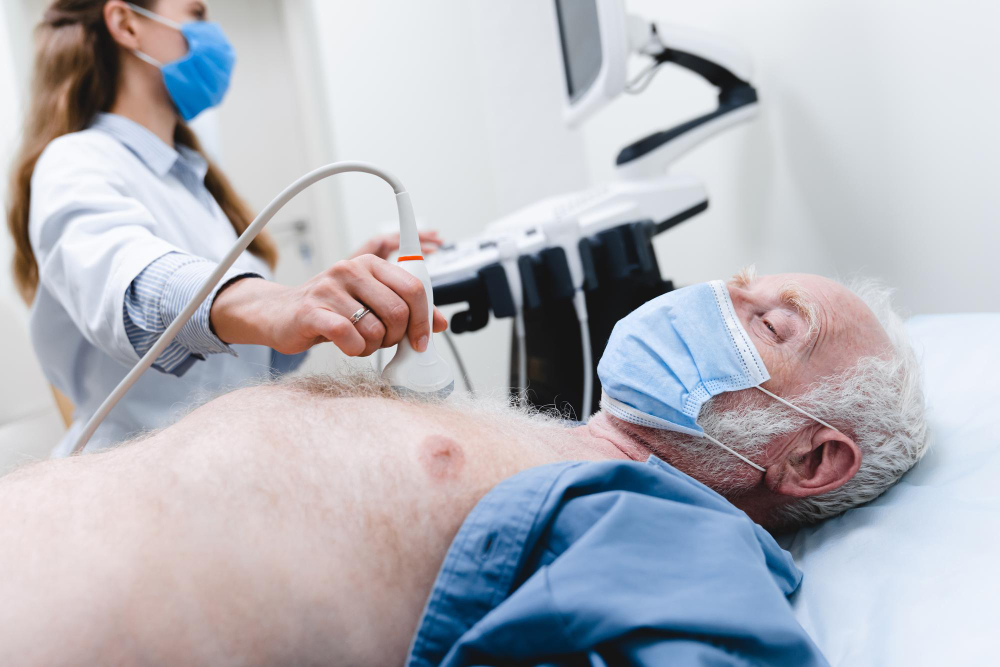
During the test, a small device called a transducer is placed on your neck. It sends out sound waves that bounce off your arteries. The machine then creates pictures of your blood flow. Because the test does not use radiation, it is very safe. Doctors can see if blood is moving smoothly or if there are any narrow spots. In many cases, the test takes less than 30 minutes.
Who Should Get a Carotid Doppler Ultrasound?
Not everyone needs this test. However, your doctor may suggest it if you have certain risk factors. For example, you may need a Carotid Doppler Ultrasound if you:
Sometimes, doctors use this test as part of a routine stroke risk assessment for people over 65.
What to Expect During the Procedure
First, you will lie down on an exam table. Next, the technician will apply a special gel to your neck. This gel helps the sound waves travel better. Then, the transducer is moved gently over your skin. You may feel slight pressure, but it should not hurt. Because the test is quick and easy, you can return to your normal activities right away. There are no needles or injections involved.
Understanding the Results
After the test, a doctor reviews the images. If your carotid arteries are clear, blood flows well to your brain. However, if there is narrowing or blockage, your doctor will discuss next steps. Sometimes, more tests or treatments are needed. For example, you may need medicine or a procedure to open the artery. The results help guide your stroke prevention plan.
Benefits and Limitations
Carotid Doppler Ultrasound has many benefits:
However, there are some limitations. For instance, the test may not find very small blockages. Also, it cannot show problems deeper in the brain. Still, it is a helpful tool for stroke risk assessment.
Prevention and Lifestyle Tips for Stroke Risk
Even if your Carotid Doppler Ultrasound is normal, you can take steps to lower your stroke risk. For example, you can:
Because stroke can happen to anyone, these steps are important for everyone. For stroke prevention and treatment consult Dr. Shivani Bhargava.