Introduction
MRI brain scans play a key role in early detection of neurological conditions. Early MRI brain screening can help doctors find problems before symptoms appear. Because of this, many serious brain diseases can be treated sooner. Early detection of brain conditions leads to better outcomes and can even prevent major neurological diseases. In this blog, you will learn how MRI brain scans work, why early screening matters, and who should consider getting one.
What Is an MRI Brain Scan?
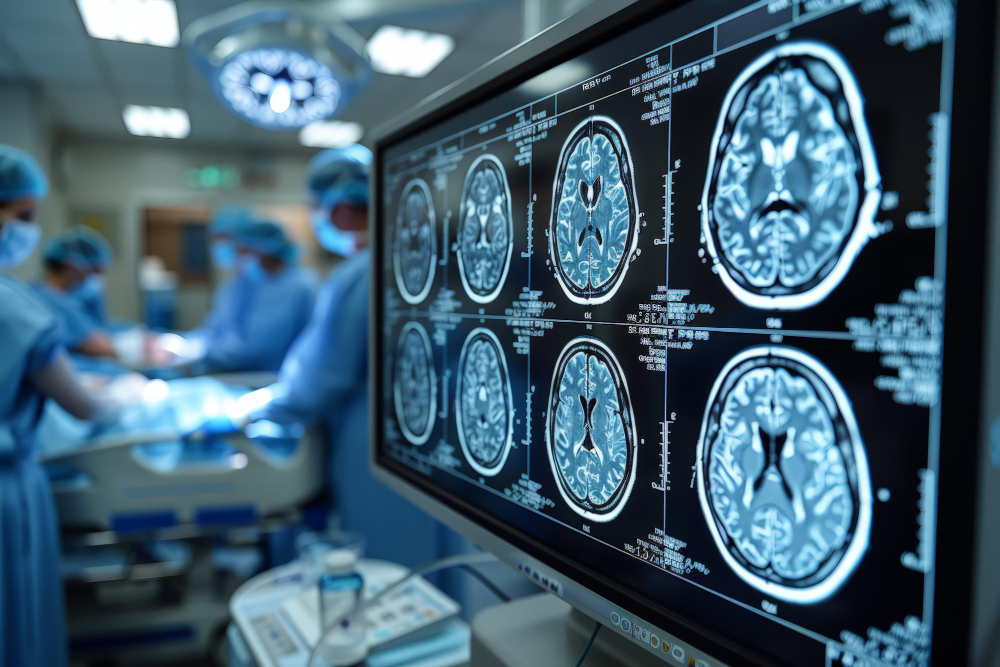
An MRI brain scan is a safe and painless test. It uses strong magnets and radio waves to create detailed pictures of the brain. Unlike X-rays, MRI does not use radiation. Instead, it shows clear images of brain tissues, blood vessels, and nerves. Doctors use MRI to look for signs of disease, injury, or changes in the brain. For example, an MRI can help spot tumors, strokes, or infections early.
Why Early Detection Matters in Neurology
Early detection is very important in neurology. When brain problems are found early, treatment can start sooner. As a result, the risk of long-term damage is lower. Many neurological diseases, like stroke or brain tumors, progress quickly. However, early MRI brain screening can catch these issues before they become severe. This means patients have a better chance of recovery and a healthier life.
Common Neurological Conditions Detected Early by MRI
MRI brain scans can detect many conditions at an early stage. Some of the most common include:
Because of these benefits, early detection of brain conditions is possible with MRI.
How MRI Brain Scans Work: The Process Explained
Getting an MRI brain scan is simple and safe. First, you will lie down on a table that slides into the MRI machine. Next, the machine uses magnets and radio waves to take pictures of your brain. You must stay still during the scan, which usually takes 30 to 60 minutes. Sometimes, a special dye is used to make images clearer. After the scan, a radiologist reviews the images and shares the results with your doctor.
Benefits of Early MRI Brain Screening
There are many benefits to early MRI brain screening. For example:
Therefore, early MRI brain screening is a valuable tool for preventing neurological diseases.
Who Should Consider an Early MRI Brain Scan?
Not everyone needs an early MRI brain scan. However, some people may benefit more than others. You should consider early MRI brain screening if you:
If you are unsure, talk to your doctor about your risk and the benefits of early detection.
Safety, Risks, and Limitations of MRI Brain Scans
MRI brain scans are very safe for most people. They do not use harmful radiation. However, some people with metal implants or pacemakers cannot have an MRI. The scan can be noisy, but earplugs help reduce discomfort. Rarely, some people may react to the dye used in certain scans. While MRI is very accurate, it may not detect all brain problems. Therefore, doctors may use other tests if needed. According to the World Health Organization (WHO), MRI is a trusted tool for brain imaging.
Prevention and Lifestyle Tips for Brain Health
Besides early MRI brain screening, you can take steps to keep your brain healthy. For instance:
By following these tips, you can help prevent neurological diseases and support your brain health.
Conclusion
In summary, early MRI brain screening is an effective way to detect and prevent major neurological conditions. Early detection can significantly improve treatment outcomes, making it crucial to discuss your risks with your doctor.
For personalised advice and expert guidance on early MRI brain screening, consult a radiologist at KB Healthcare.
Prioritise your brain health—schedule your screening today for peace of mind.