
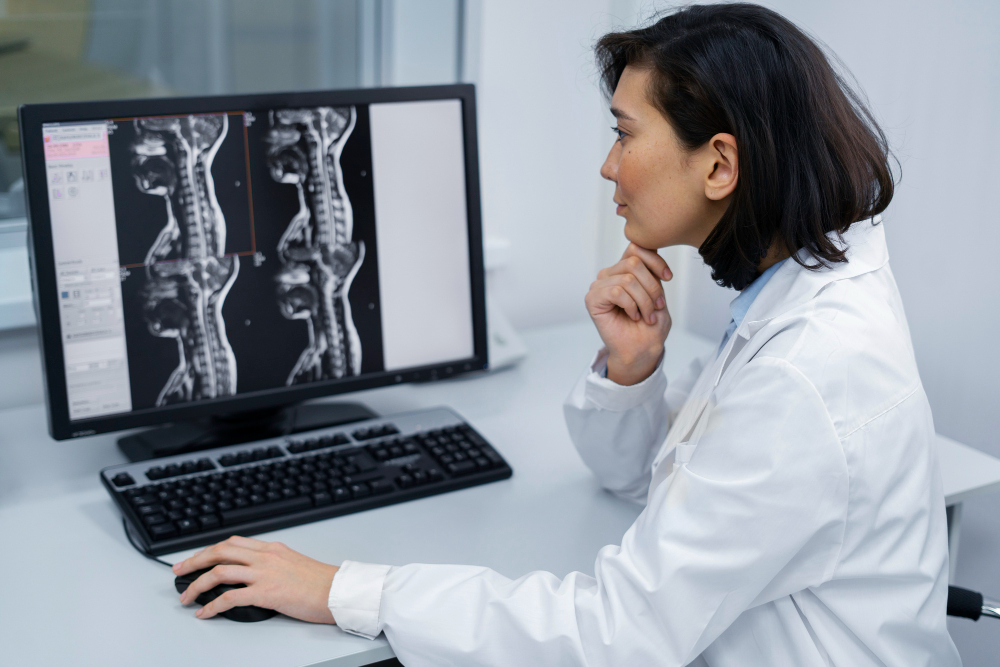
What is an MRI Lumbar Spine?
An MRI lumbar spine is a special scan that uses strong magnets and radio waves to create clear pictures of your lower back. Doctors use this test to see bones, discs, nerves, and soft tissues. Unlike X-rays, MRI does not use radiation. Because of this, it is often chosen for detailed images. The MRI lumbar spine procedure is safe for most people.
Common Reasons for an MRI Lumbar Spine
Doctors may suggest an MRI lumbar spine for several reasons. For example, you might have:
Sometimes, an MRI helps find the cause of symptoms when other tests do not give clear answers.
How to Prepare for the Procedure
Preparing for an MRI lumbar spine is simple. Still, you should follow a few steps:
Because the MRI uses magnets, metal objects can affect the images or your safety. Always let your healthcare team know about any concerns.
Step-by-Step Overview of the MRI Process
Knowing what happens during the MRI lumbar spine procedure can help you feel calm. Here is a step-by-step guide:
Although the machine is noisy, the scan itself does not hurt.
What to Expect During and After the Scan
During the MRI lumbar spine scan, you will need to lie very still. This helps create clear images. If you feel nervous or claustrophobic, let the staff know. They can offer support or, in some cases, mild sedation. After the scan, you can return to your normal activities right away. There is no recovery time needed. Sometimes, a contrast dye is used to improve the images. If so, you may get an injection before or during the scan. Most people have no side effects from the dye.
Safety, Risks, and Contraindications
MRI lumbar spine safety is a top priority. According to the World Health Organization (WHO), MRI is very safe for most people. However, there are some risks and situations where MRI is not advised:
Always share your full medical history with your healthcare provider before the scan.
How Results Are Interpreted
After your MRI lumbar spine scan, a radiologist will review the images. This doctor looks for signs of injury, disease, or other problems. The radiologist then sends a report to your doctor. Your doctor will explain the results and discuss any next steps. Sometimes, more tests or treatments are needed based on the findings.
Frequently Asked Questions
Tips for a Comfortable Experience
Here are some tips to help you feel at ease during your MRI lumbar spine scan:
Remember, the staff is there to help you feel safe and comfortable.
Conclusion
An MRI lumbar spine scan is a safe and helpful test for diagnosing many back problems. It provides doctors with clear, detailed images that guide your care and treatment plan. If you have any questions or concerns, always talk to your healthcare team.
Consult a radiologist or your healthcare provider at KB Diagnostic Centre for personalized advice about MRI lumbar spine scans and how they can help with your back health