

Introduction
Joint injuries are common and can cause pain, swelling, or stiffness. Because of this, doctors often use imaging tests to find the cause. Accurate imaging helps guide the best treatment. Two popular tests are MSK ultrasound and MRI. But which is better for joint injuries? This blog will help you understand MSK ultrasound vs MRI for joint injuries. You will learn how each test works and when to choose one over the other.
What is MSK Ultrasound?
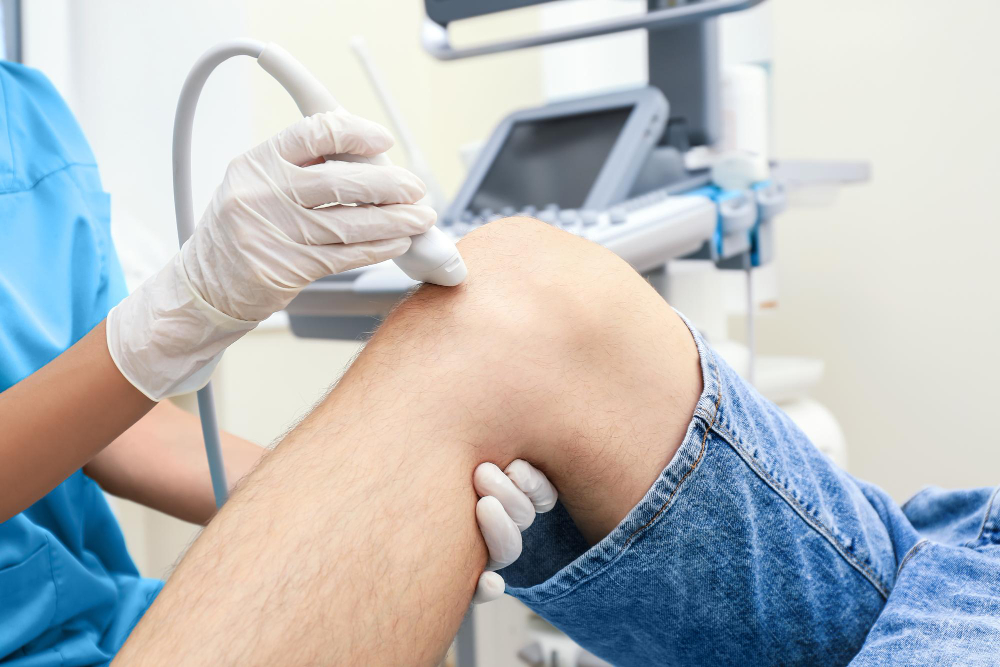
MSK ultrasound stands for musculoskeletal ultrasound. It uses sound waves to create pictures of muscles, joints, and soft tissues. During the test, a small device called a probe moves over your skin. The probe sends sound waves into your body. These waves bounce back and form images on a screen. MSK ultrasound for joint injuries is quick and painless. Doctors use it to check for:
Because it shows real-time movement, it helps doctors see how joints work during motion.
What is MRI?
MRI stands for magnetic resonance imaging. It uses strong magnets and radio waves to make detailed images of the inside of your body. Unlike X-rays, MRI does not use radiation. For joint pain, MRI for joint injuries can show bones, cartilage, muscles, and other soft tissues. Doctors often use MRI to look for:
Although MRI takes longer than ultrasound, it gives very clear pictures of deep tissues.
MSK Ultrasound vs MRI: How Do They Compare?
When choosing an imaging test, several factors matter. Let’s compare MSK ultrasound vs MRI for joint injuries in key areas:
When to Choose MSK Ultrasound or MRI
Choosing between ultrasound vs MRI for joints depends on your injury and needs. For example, MSK ultrasound is a good first choice for:
On the other hand, MRI is better if you need:
Still, your doctor will help decide which test fits your situation best.
Pros and Cons of MSK Ultrasound and MRI
MSK Ultrasound
MRI
Both MSK ultrasound and MRI are useful for joint injury imaging tests. MSK ultrasound for joint injuries is quick, safe, and good for surface problems. MRI for joint pain gives more detail, especially for deep or complex injuries. However, the right test depends on your symptoms and needs.
If you have joint pain or injury, consult a radiologist or healthcare provider at KB Healthcare. They can help you choose the best imaging test for your joint injury. Early and accurate diagnosis leads to better treatment and faster recovery.