Introduction to NTNB Scan
If your doctor has suggested an NTNB Scan, you may have questions. An NTNB Scan is a special medical test that helps doctors see inside your body. It is safe, quick, and often painless. In this blog, you will learn what an NTNB Scan is, why it is done, and what you can expect during the process.
What Is an NTNB Scan?
An NTNB Scan, or Non-Thermal Nuclear Body Scan, is a type of imaging test. It uses small amounts of radioactive material to create pictures of your organs and tissues. Because of this, doctors can find problems that may not show up on regular X-rays or ultrasounds. NTNB Scans are often used to check for infections, tumors, or other health issues.
Why Is an NTNB Scan Performed?
Doctors may order an NTNB Scan for several reasons. For example, they may want to:
Sometimes, an NTNB Scan can give answers when other tests cannot. Therefore, it is a valuable tool for many health conditions.
How Does the NTNB Scan Procedure Work?
During an NTNB Scan, a small amount of radioactive material is given to you. This may be through an injection, a pill, or a liquid you drink. After that, you will wait for the material to travel through your body. Then, a special camera takes pictures of the inside of your body. The camera detects the radioactive material and creates detailed images. Usually, the scan takes between 30 minutes and two hours, depending on the area being checked.
Preparation Steps for an NTNB Scan
Proper preparation helps ensure the NTNB Scan gives clear results. Your healthcare team will give you instructions. However, common steps include:
Always follow your doctor’s instructions for NTNB Scan preparation. This helps avoid delays or repeat scans.
What to Expect During and After the NTNB Scan
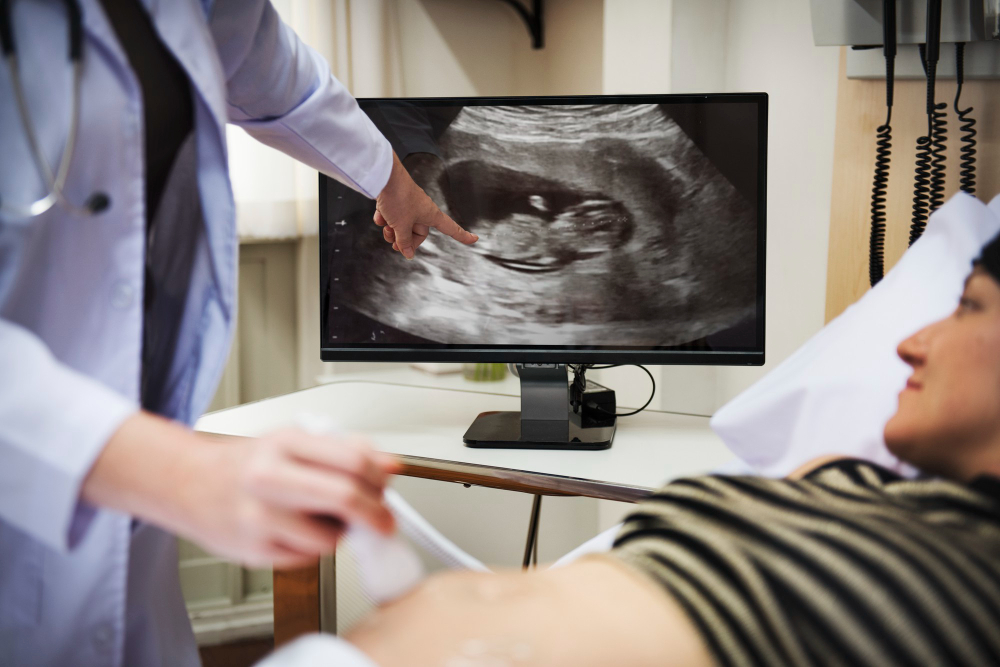
On the day of your NTNB Scan, you will check in at the imaging center. First, a nurse or technician will explain the process. Next, you will receive the radioactive material. You may need to wait for it to move through your body. Then, you will lie still on a table while the camera takes pictures. The scan itself is painless, but you may need to stay still for a while. After the scan, you can usually go home and return to normal activities. Sometimes, you may be asked to drink extra fluids to help flush the material from your body.
Benefits of NTNB Scan
There are many reasons why doctors choose NTNB Scans. Some key benefits include:
Because of these benefits, NTNB Scans are used in many hospitals and clinics.
Potential Risks of NTNB Scan
NTNB Scans are generally safe. However, like any test, there are some risks. These include:
Most people do not have any problems. Still, you should tell your doctor if you have allergies or are pregnant. The benefits of the scan usually outweigh the risks, according to the CDC and other health experts.
Frequently Asked Questions About NTNB Scan
When to Consult a Radiologist
If you have questions about the NTNB Scan procedure, risks, or results, talk to a radiologist. They can explain the process and help you understand your options. If you notice any unusual symptoms after the scan, contact your doctor right away.
Conclusion
In summary, an NTNB Scan is a helpful test that gives doctors important information about your health. It is safe, quick, and often easy to prepare for. If you need more details or have concerns, consult KB Healthcare or a radiologist for personalized advice about NTNB scans.