
Sometimes, eye problems need more than a simple checkup. An orbit scan is a special test that helps doctors see inside the eye socket. This scan can find causes of pain, swelling, or vision changes. Because early diagnosis is important, knowing when to get an orbit scan can help protect your sight.
What is an Orbit Scan?
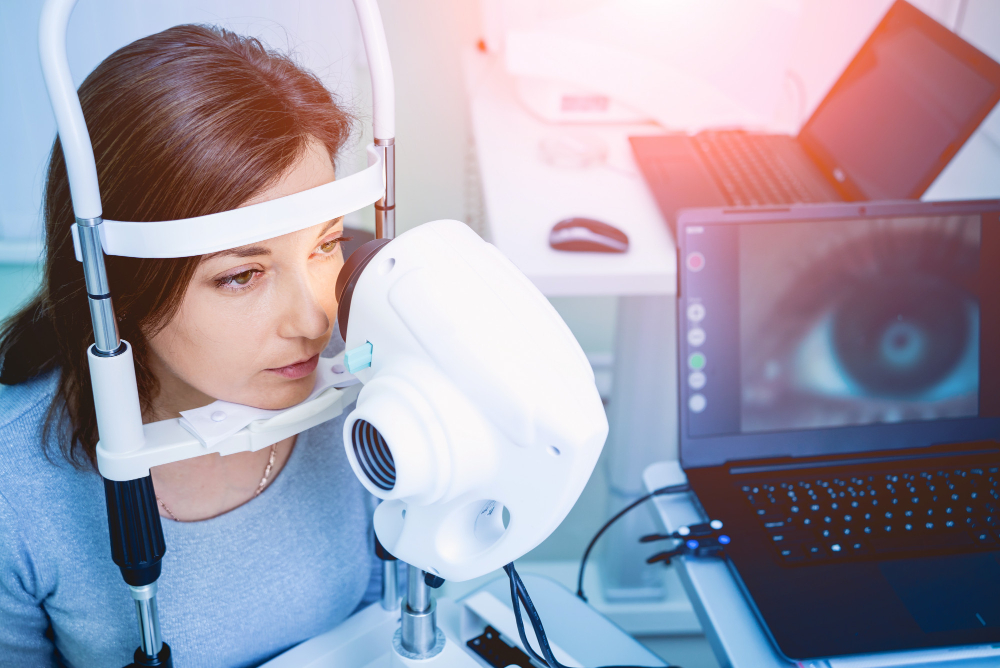
An orbit scan is a type of eye imaging. It uses machines like CT or MRI to take detailed pictures of the area around your eye. Doctors use these images to look for injuries, infections, or growths. For example, if you have sudden eye pain, an orbit scan can help find the cause.
Common Eye Symptoms That May Need Imaging
Not all eye problems need a scan. However, some symptoms may signal a deeper issue. If you notice any of these, your doctor may suggest an orbit scan:
Because these symptoms can have many causes, imaging helps doctors make the right diagnosis.
When Should You Consider an Orbit Scan?
Sometimes, simple eye problems get better on their own. But certain signs mean you should get checked right away. Consider an orbit scan if you have:
In these cases, early imaging can help prevent lasting damage. If you search for “orbit scan near me,” you can find local centers that offer this test.
How is an Orbit Scan Performed?
The orbit scan procedure is simple and safe. First, you will lie down on a table. Then, the machine moves around your head to take pictures. For a CT scan, you may need a dye to help show details. The scan usually takes less than 30 minutes. You will not feel any pain during the test. However, you may hear some noises from the machine.
Benefits and Risks of Orbit Scans
Orbit scans offer many benefits. For example, they help doctors find problems early. They also guide treatment for injuries or infections. But, like any test, there are some risks. CT scans use a small amount of radiation. MRI scans do not use radiation but may not be safe for people with metal implants. Your doctor will choose the safest option for you.
What to Expect During and After the Scan
Before the scan, you may need to remove jewelry or glasses. If you get a dye, you might feel a cool sensation. During the scan, stay still and follow the technician’s instructions. After the scan, you can go home right away. Most people feel fine and can return to normal activities. If you had a dye, drink water to help flush it out.
Prevention and Eye Health Tips
While not all eye problems can be prevented, you can lower your risk with good habits. Here are some tips:
Because early care is key, do not ignore warning signs. Quick action can help save your sight.
If you notice unusual eye symptoms, consult Dr.Shivani Bhargava for personalized advice.