

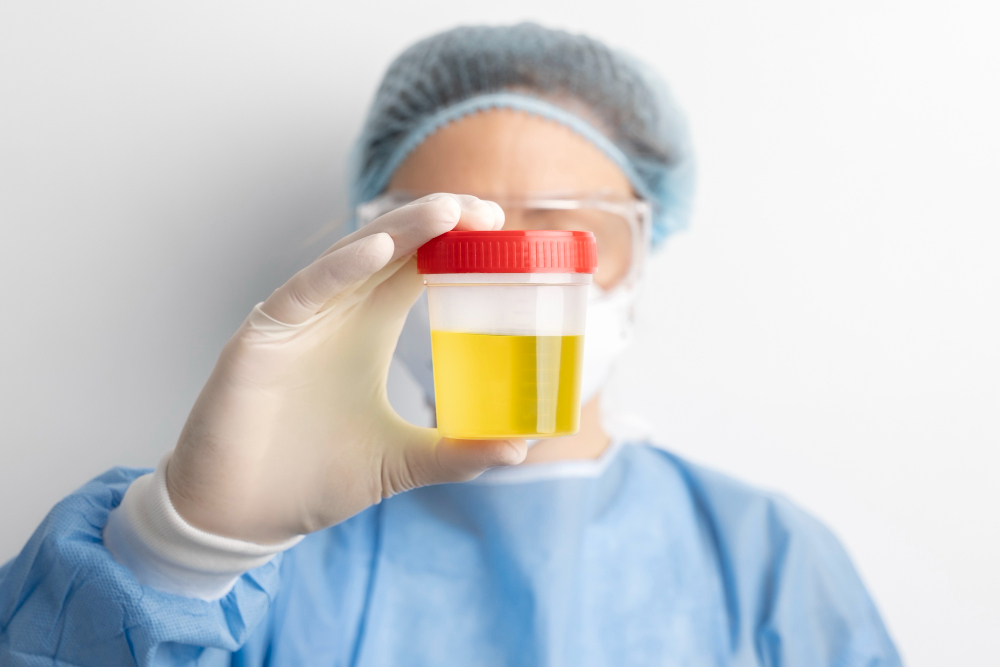
What Is Slow Urine Flow?
Slow urine flow means it takes longer than usual to empty your bladder. Sometimes, you may notice a weak or dribbling stream. For many people, this can be uncomfortable or even worrying. However, slow urine flow is a common urinary problem. It can affect both men and women. Often, it is a sign that something is not working right in your urinary system.
Common Causes of Slow Urine Flow
There are several reasons why you might have slow urine flow. Some causes are simple, while others may need medical attention. For example, age can play a role. But other factors can also be involved, such as:
Because these causes vary, it is important to find out what is behind your symptoms. Early diagnosis can help prevent further problems.
What Is Uroflowmetry?
Uroflowmetry is a simple test that measures how fast you pass urine. Doctors use this test to check for slow urine flow and other urinary problems. It is a non-invasive test, which means it does not hurt or require surgery. In fact, many clinics and radiology centers offer this urine flow measurement as part of a urinary problems diagnosis.
How Uroflowmetry Measures Urine Flow
During a uroflowmetry test, you urinate into a special device called a flowmeter. This machine records how much urine you pass and how quickly it comes out. As a result, doctors can see if your urine flow is normal or slow. The test also helps them find out if there is a blockage or weak bladder muscles.
Because the test is quick and easy, it is often the first step in checking for urinary issues.
When Should You Consider Uroflowmetry?
If you notice slow urine flow, you may wonder when to see a doctor. In many cases, you should consider a uroflowmetry test if you have:
Because these symptoms can signal different problems, a uroflowmetry test can help your doctor find the cause.
What to Expect During the Test
Before the test, your doctor may ask you to drink water so your bladder is full. When you are ready, you will be shown to a private bathroom. There, you will urinate into the flowmeter. The device looks like a regular toilet or a special funnel. The test usually takes only a few minutes. Afterward, you can return to your normal activities. Most people find the test easy and painless.
Understanding Your Uroflowmetry Results
After the test, your doctor will review the results. They will look at:
For example, a slow or uneven flow may suggest a blockage or weak bladder muscles. However, only a trained healthcare provider can explain what your results mean for you. Sometimes, more tests are needed to find the exact cause.
Prevention and Lifestyle Tips
While some causes of slow urine flow cannot be prevented, you can take steps to keep your urinary system healthy. For instance, you can:
Because early action can help, always tell your doctor about changes in your urine flow.
In summary, slow urine flow can be a sign of a urinary problem. Uroflowmetry is a safe and simple way to measure what you feel. If you notice changes in your urine flow, consult Dr. Shivani Bhargava for personalized advice about slow urine flow and uroflowmetry.